TOM FRANCIS
REGRETS THIS ALREADY
Hello! I'm Tom. I'm a game designer, writer, and programmer on Gunpoint, Heat Signature, and Tactical Breach Wizards. Here's some more info on all the games I've worked on, here are the videos I make on YouTube, and here are two short stories I wrote for the Machine of Death collections.


Search
Floating Point Passes 70,000 Players
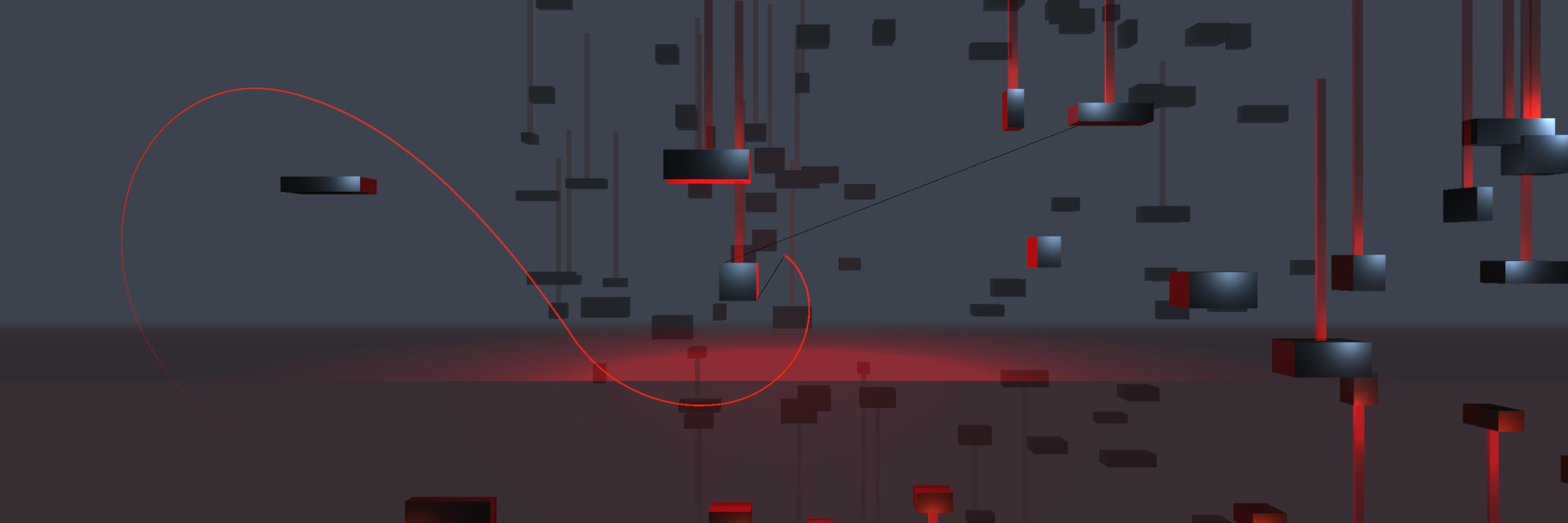
As of today, 70,163 people own Floating Point, the free game about grappling hooks I released last Friday. 31,700 of those got it on day 1, and the count is now growing steadily at around 3,000 new players a day.
This is pretty amazing. I didn’t contact any press about it, and the only promotion I did was the long and rambly videos I’ve been posting here, if you can call them that. Being free, unsurprisingly, makes a big difference. More interesting stats: Continued
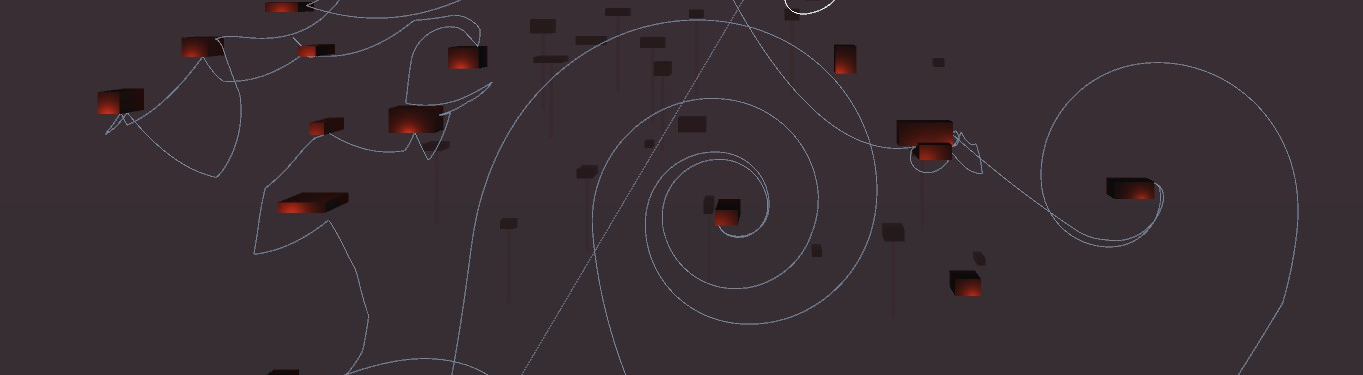
Floating Point Development Breakdown
(Screenshot by player QBAEY)
Floating Point is based on some grappling hook code I made for a game that I still plan to continue with some day. Since I was using version control for that, and hence for this, I have a log of every ‘commit’ I made during development: basically, all the times I felt my progress was worth backing up, and what that progress was.
With a bit of hackery, I’ve pulled out a list of those in chronological order to make a sort of diary of the game’s development, showing which days I worked on it and what I did. Obviously this contains some references to things only I’ll understand, but most of it’s in English, and it gives you an idea of how the game evolved and how long it took. I’ll highlight major developments or revelations, and add in when I tested and with how many people. Continued

Distance: A Visual Short Story For The Space Cowboy Game Jam
Natalie Hanke, Jukio Kallio and I have just released Distance, a short, semi-interactive, mostly visual piece for the Space Cowboy game jam. Natalie wrote, designed and arted it, Jukio did the sound and music, and I was the programmer. Continued
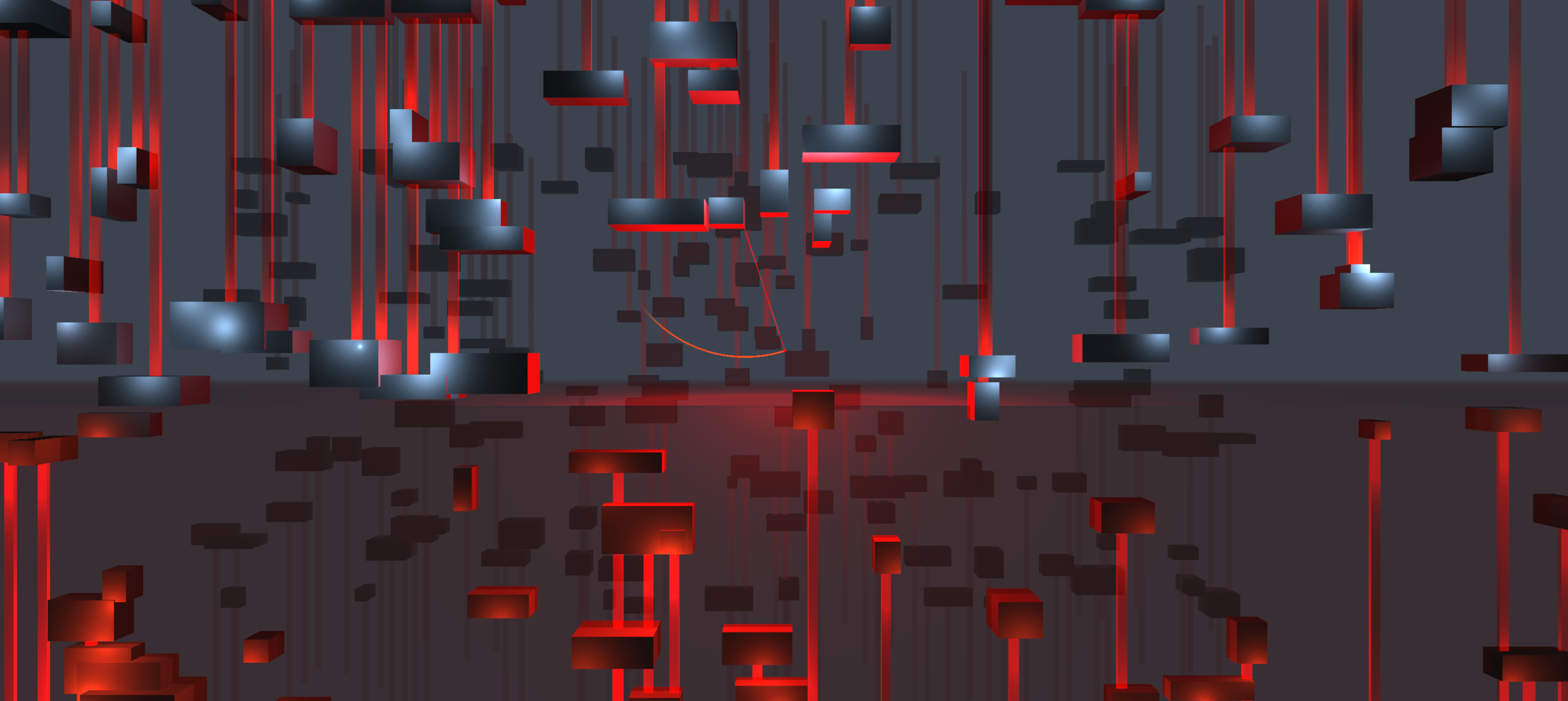
Floating Point Is Out! And Free! On Steam! Watch A Trailer!
Floating Point is out on Steam now, for Windows, Mac and Linux, and it’s free!
It’s a peaceful game about swinging gracefully around randomly generated levels. It’s played entirely with the mouse, it’s easy to play, you can have fun with it in five minutes, and it has relaxing digital music by the excellent Form & Shape.
Here’s a trailer, and some info on why it’s free. Continued
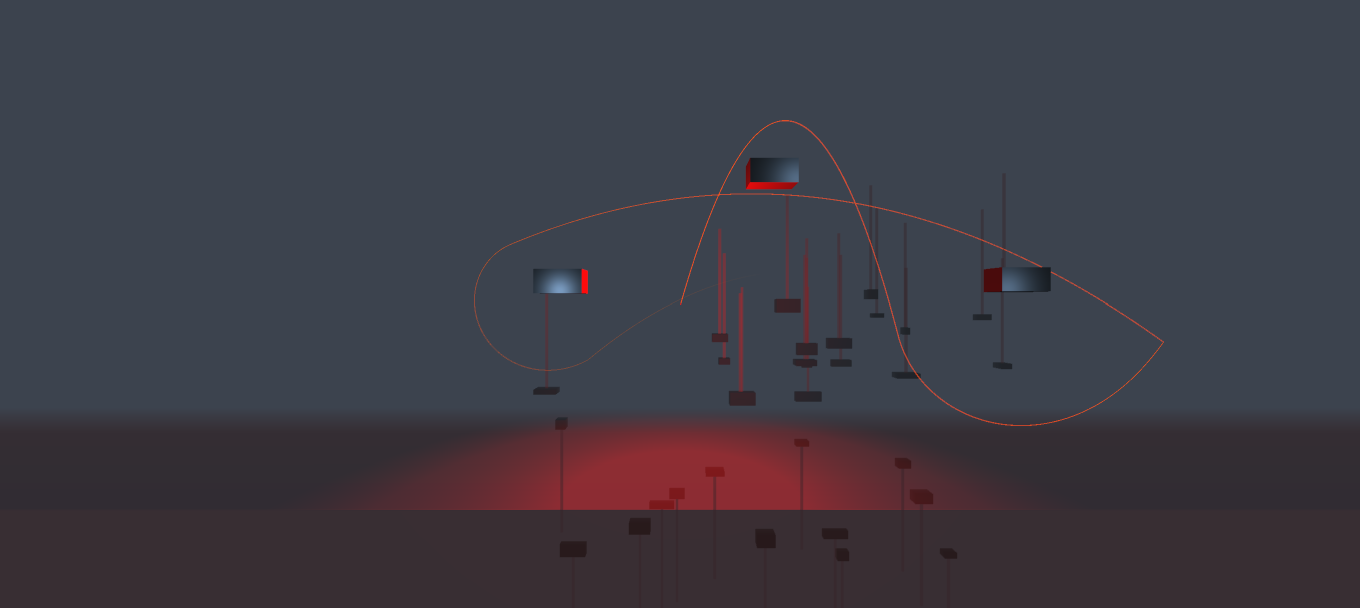
Floating Point Is Coming To Steam – Tomorrow
Here is the news:
- Floating Point is coming to Steam!
- Tomorrow!
- On Windows, Mac and Linux simultaneously!
- And it’s free!
It’s a peaceful game about swinging gracefully around randomly generated levels. It’s played entirely with the mouse, it’s easy to play, you can have fun with it in five minutes, and it has relaxing digital music by the excellent Form & Shape. Continued
Filming Super Game Jam
The last few days I’ve been doing a game jam with Liselore Goedhart, being filmed as a documentary series called Super Game Jam. It’s been loads of fun, surprisingly chilled, and we’re really happy with the game we made. We finished it yesterday and let people play it at the London Game Space last night – fantastic to see people laughing so much at something that didn’t exist two days before. Continued
Beta Testing Steam Workshop And Gunpoint’s New Engine
Update: whether you join the beta or not, you may get a Gunpoint update that wants to install some standard installery stuff: a particular vintage of DirectX, VC++, OpenAL. The new engine needs to make sure these are all there, and they can only be turned on globally, so everyone gets ’em. Won’t interfere with anything, but it will fix the no-music issue some might have had with the new beta.
Short version
We’re nearly ready to release an update for Gunpoint that’ll add Steam Workshop support to let you share your custom levels, and hopefully fix any remaining technical issues people are having with the old build. Continued
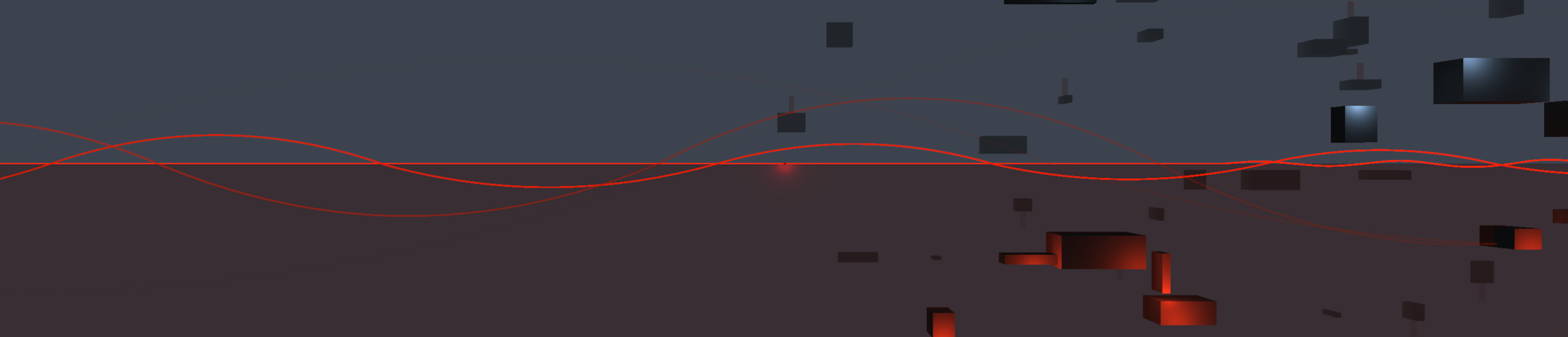
Drawing With Gravity In Floating Point
So Floating Point’s a game about using a wire to swing through randomly generated spaces smoothly. When you do, avoiding obstacles and picking up speed, everything about the game tries to celebrate and reward that flow state: you glow, the music picks up, the collectible bars in the level get more valuable, and grow tall so they’re easier to hit.
One effect I fancied but considered low priority was some kind of trail: maybe particles or sparks or something. So I had a quick look to see how hard this would be in Unity, and discovered something called a Trail Renderer. I tried it, and it looked like this: Continued
Designing Floating Point
My game about swinging through randomly generated spaces has spilled out from a game jam entry, to a four-day game, to a week-long game. This is a series of three video blogs talking about interesting things that happened in its design.
Here’s my previous video showing the game itself.
Update: it actually took five weeks, but now it’s done and out and on Steam and free and half a million people played it! More info on the tag.
Heat Signature’s First Four Objective Systems And Why They All Sucked
I’ve been designing and trying various ways for you to make progress towards your objective in Heat Signature, and four bad iterations have led me to a surprising conclusion.
Jerk, Jounce And Rates Of Change
Yesterday I tweeted from the Heat Signature account about avoiding a tricky problem with homing missiles by just increasing their acceleration over time – I called it AccelerationAcceleration. Today, Coriolinus replied to say that the scientific name for this is actually ‘jerk‘. This is amazing, and so is the Wikipedia page about it. Continued
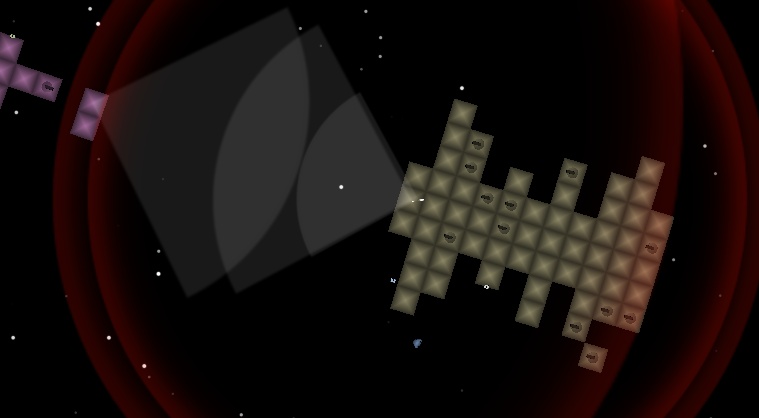
Ending A Space War With A Punch In Heat Signature
The next thing I wanna let you do in Heat Signature is take the helm of an enemy ship and fly it yourself. But right now, things go very screwy if you’re on a ship as it accelerates. So I’m redoing all the relative velocity code to make sure the contents of a ship stay stable while it’s jerking around.
I was testing the new code just now, and headed for a small ship to dock with it. Continued
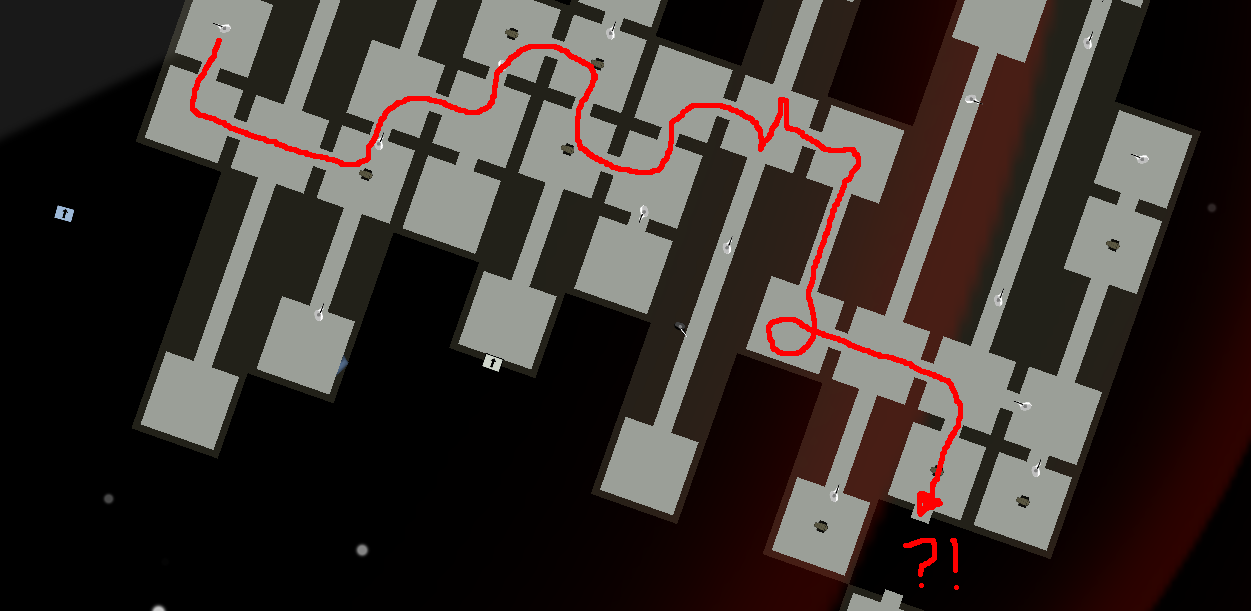
Pathfinding In Heat Signature’s Randomised, Modularly Destructible Spaceships
Updated! see bottom of post.
Heat Signature is a game about randomised space ships that you can sneak aboard. These ships have a randomly generated interior of connected rooms and corridors, and crew that patrol those rooms.
Right now, there’s no pathfinding: the crew roam randomly. At some point, though, you’ll be able to set off alarms or cause other disturbances that the crew should run to. So the problem is: how do find a route to that room? Specifically, how do they find the shortest route to that room? Continued
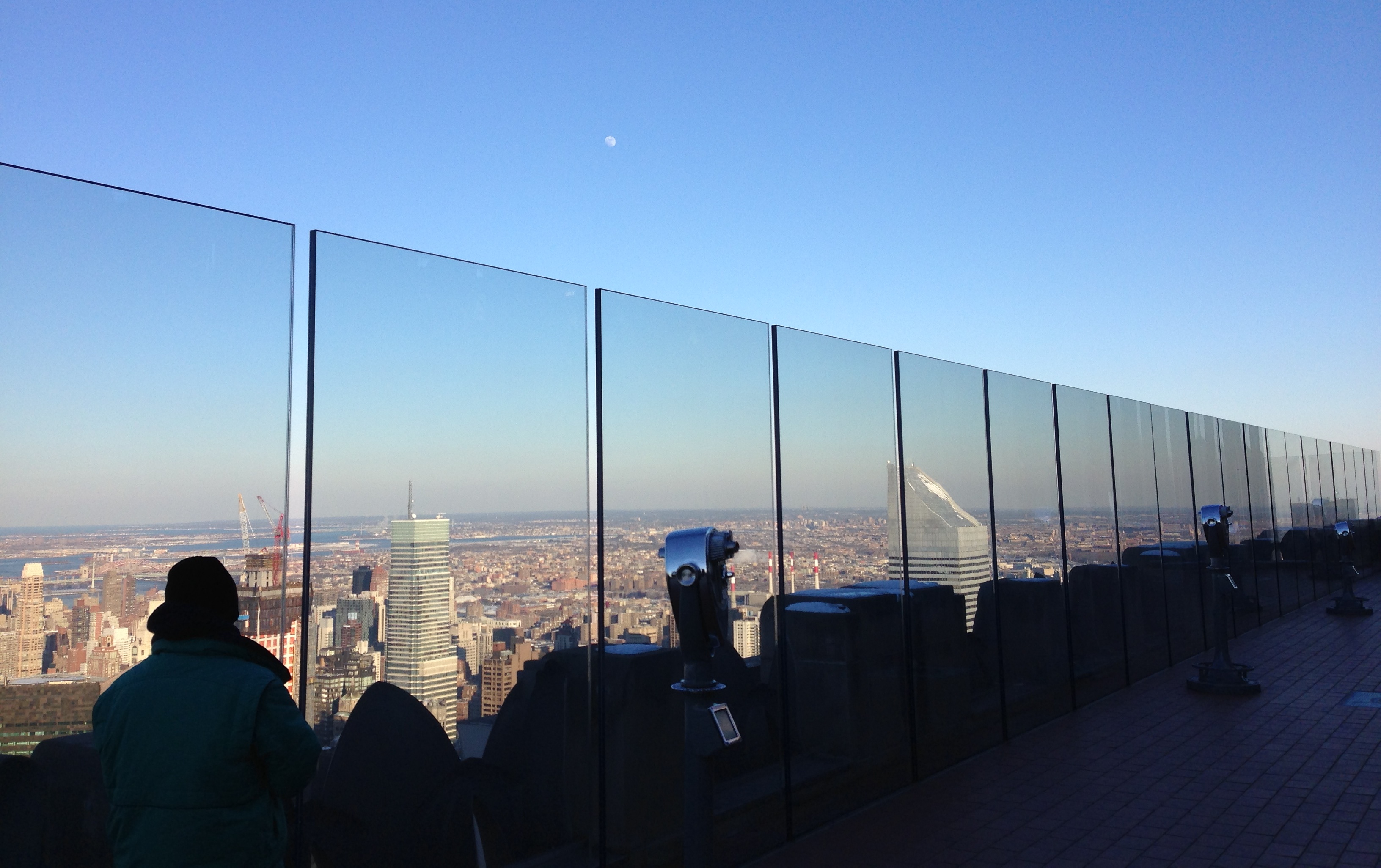
How IndieCade Went For Heat Signature And The Grappling Hook Game
IndieCade East was lovely. It’s a convention in New York, held at the Museum of the Moving Image, consisting mostly of people giving talks about games or showing their games. For example, Zack Johnson talked to Margaret Robertson about the crazy 11-year history of his still actively developed web game Kingdom of Loathing: Continued
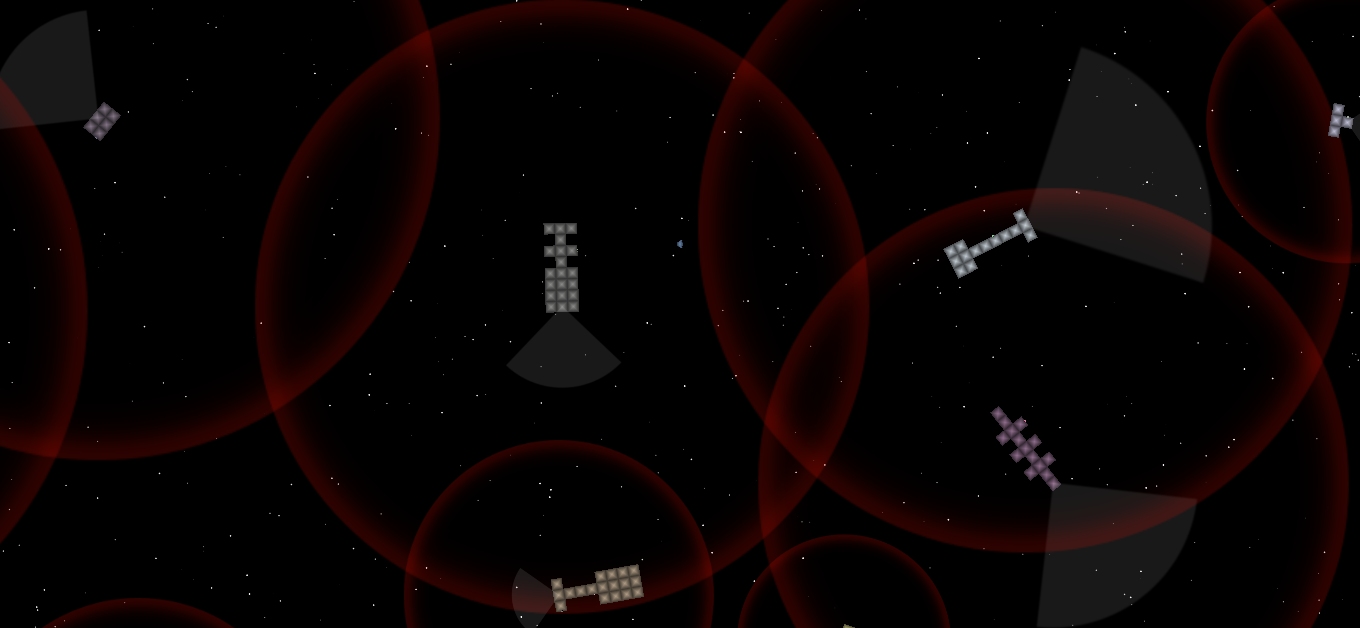
Randomly Generating Simple Spaceships In Heat Signature
The way Heat Signature randomly generates its ships at the moment is very basic – I’m new to random generation, and I don’t polish or improve things until all the other systems are in.
Its process for the ship’s shapes is probably obvious from the video: Continued