TOM FRANCIS
REGRETS THIS ALREADY
Hello! I'm Tom. I'm a game designer, writer, and programmer on Gunpoint, Heat Signature, and Tactical Breach Wizards. Here's some more info on all the games I've worked on, here are the videos I make on YouTube, and here are two short stories I wrote for the Machine of Death collections.


Search

Christmas Chocolate Workshop 2014
I made chocolates for my family again at Christmas. Here’s what I did! Continued
Video Tutorial: Make A Game With No Experience
I’m doing a series of video tutorials to show you how to make your first game, using the free version of Game Maker: Studio. I’m doing about 1-2 hours a week, aimed at absolute beginners with no experience with writing code. I’m not a good programmer myself, so we keep things as simple, quick and easy as possible, cutting all sorts of corners that would make real programmers who work in teams cringe. But, that’s basically how I made Gunpoint, and that worked well enough, so here goes!
At time of posting the first week of episodes is up – three parts, totalling about an hour and a half. I’m also giving people leeway to experiment with what they’ve learnt, and if they like, they can send in what they’ve created and I can see which bits might fit into the project.
Thoughts On Dragon Age: Inquisition
We discuss DA:I on the latest Crate and Crowbar podcast, and since it’s also up on YouTube, I can embed specific bits. The Invisible Inc chat at the start overlaps a lot with my post here, so let’s skip straight to Dragon Age, which I played for about 30-40 hours over the break.
I have thoughts on why the combat still feels murky after all this time, my experience switching from Casual to Hard, my lesbian Inquisitor trying to seduce the only two straight women in Thedas, the difference between this and Mass Effect, and the one great thing that’s the same.
As before it’s Tom Senior you hear first, I’m the one who pipes up at 44m55s.
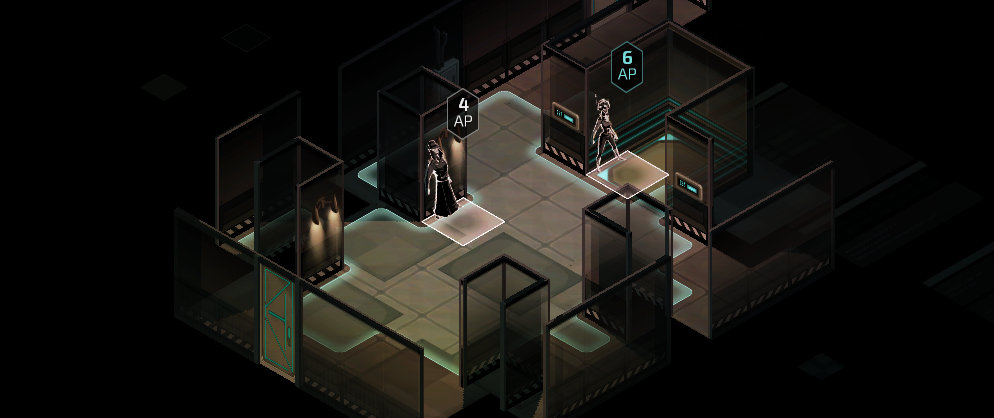
What Works And Why: Invisible Inc
What Works And Why is a thing where I dig into the design of a game I like and try to analyse what makes it good, hopefully to learn from it but also because I love this stuff.
What is it?
A turn-based stealth game with randomly generated levels and no savegames. You have two secret agents with different special abilities, and you choose from offices of varying difficulties and rewards to break into and steal money, equipment and abilities. You break in by carefully peering round corners and doors, ambushing unwitting guards with your tazers, and hacking security devices from a special vision mode.
If you want a better idea of how it plays, I recorded myself going through one mission, and talked through my thinking and how the game works.
Thoughts On Far Cry 4
If you’ve been following my many Far Cry 4 videos over on YouTube you already have an idea of what I love about it, but if you’re interested, here’s the bit of the latest Crate & Crowbar podcast where we compare our impressions. I’m not the first Tom who speaks, I’m the one saying “I think it got off to a pretty shaky start”.
Don’t let me forget that I plan to do a ‘How to fix Far Cry 4’ type post at some point, too.
Podcast Tips: Nick Frost On WTF
Sometimes I’ll recommend you a particularly great episode of a podcast I listen to. Feel free to recommend your own in the comments! I probably don’t have to tell you that Serial is great.
Co-star of Spaced and Shaun of the Dead talks to Marc Maron about what he was doing before all of that, the nature of which you would probably never guess. On the party where he first met Simon Pegg:
“I was nervous to meet him. He was this stand-up comedian, and I was the funniest waiter at Chiquitos. We circled each other all night, until finally we were outside on a roof together, and we just did impressions at each other, for hours. It was like the duelling banjos.”
Edit: as with any interview podcast, skip the intro until you hear the guest. It’s like 14 fucking minutes here.
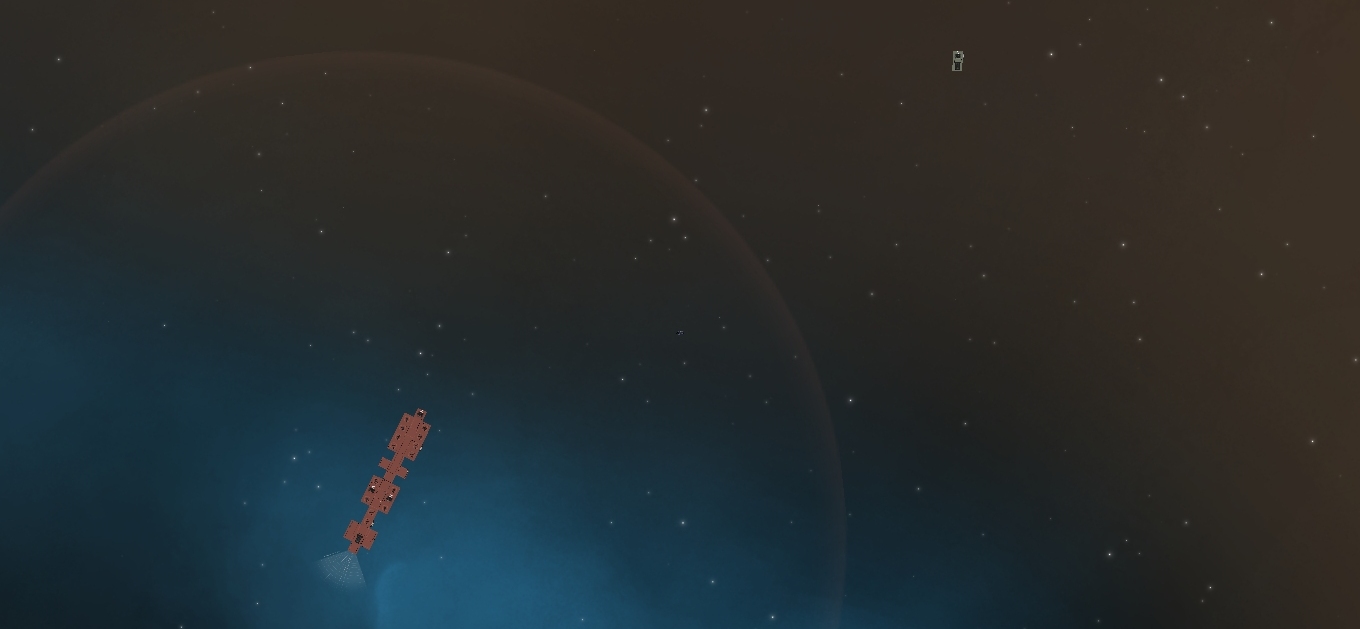
Heat Signature, One Year Later
I started making Heat Signature on December the 1st, 2013. I know this because I released the first video of it two days later. Continued

Heat Signature Screenshots
Here’s what Heat Signature looks like these days! The new art is by the multi-talented John Roberts, who also did art for our last game, Gunpoint. Next week I’ll put up a trailer to show all this in action. For those who haven’t seen it moving yet, there’s no break between inside and out: you zoom smoothly from the scale of these interior shots to the big-scale space battles.
When I have new shots in future, I’ll add them on this page and take down any outdated ones. I’ll keep the first three as reasonably representative ones, then below them it’ll be newest-first. Everyone has permission to use these shots in any articles or videos, print or online, as long as you make it clear what game they’re from. Continued
Heat Signature Trailers
I think if I embed a YouTube playlist, I can make this post always show the latest Heat Signature trailer even when I change it in future.
Our Super Game Jam Episode Is Out
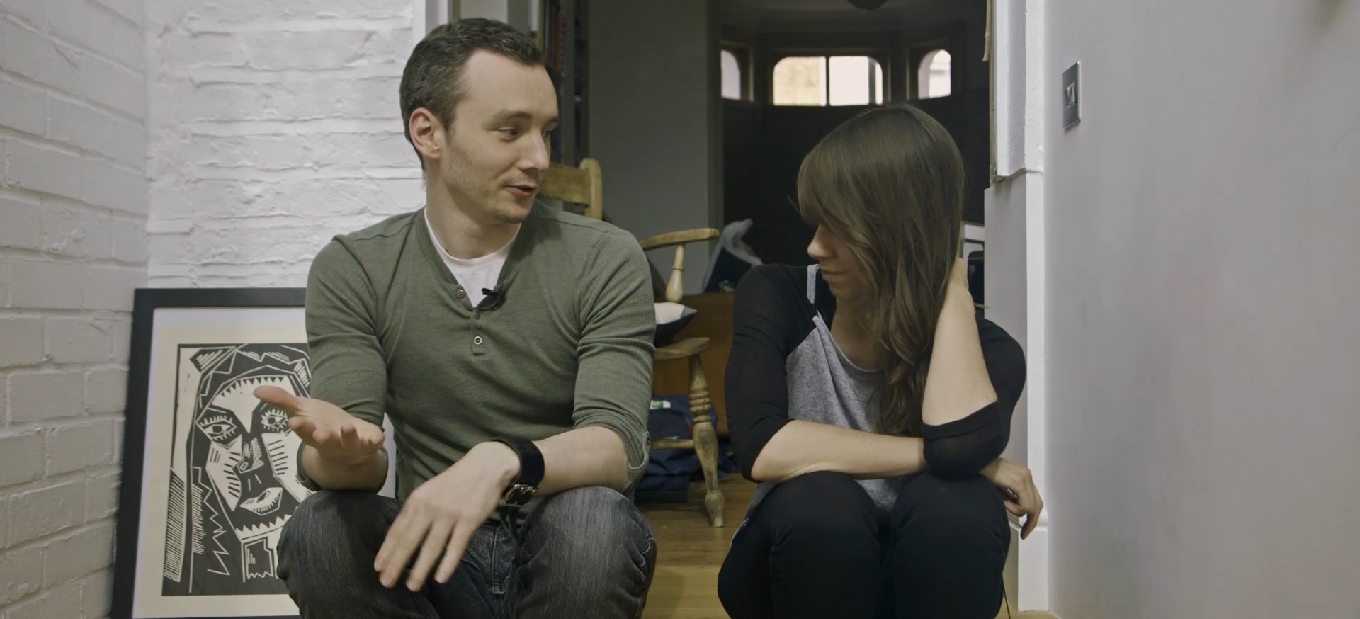
Super Game Jam is a documentary series on Steam that films two developers per episode, working together to make a game in 48 hours. It’s discounted to $15 for the whole series right now, which is 5 half-hour episodes, the 5 games that were made in them, and a bunch of extra scenes and music from Kozilek and Doseone.
Episode 5 just came out tonight, and it’s me and artist/designer Liselore Goedhart making SimAntics: Realistic Anteater Simulator. We were given the theme of ‘Simulation’ by previous jammers Cactus and Grapefrukt, and told not to make SimAnt. So we simulated an anteater instead.
You can grab it from Steam here, where there’s also a trailer. Stills below, and thoughts on the episode at the end! Continued
What Works And Why: Sauron’s Army
Game: Shadow of Mordor
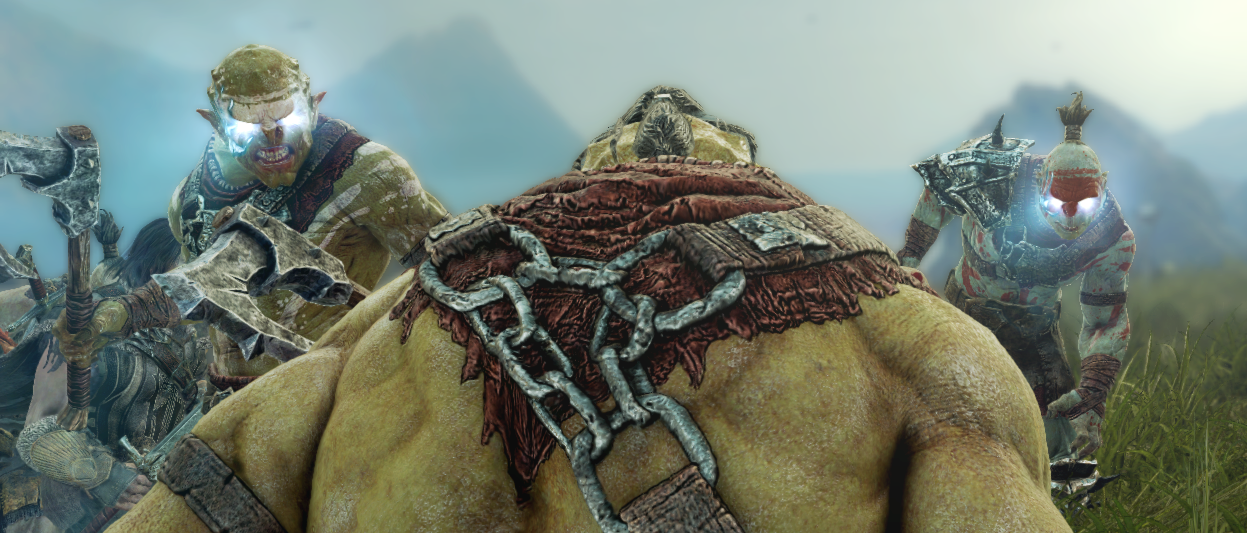
Third-person open world action and stealth game, with Assassin’s Creed free-running and Arkham Asylum combat. You’re in Mordor, it’s full of orc-like Uruks, and for reasons that were probably explained in all the cut-scenes I skipped, you have to use them to get to the Black Dark Lord Hand – who I gather is a ruffian. Continued
Help Me Learn Finite State Machines For Guard AI In Heat Signature
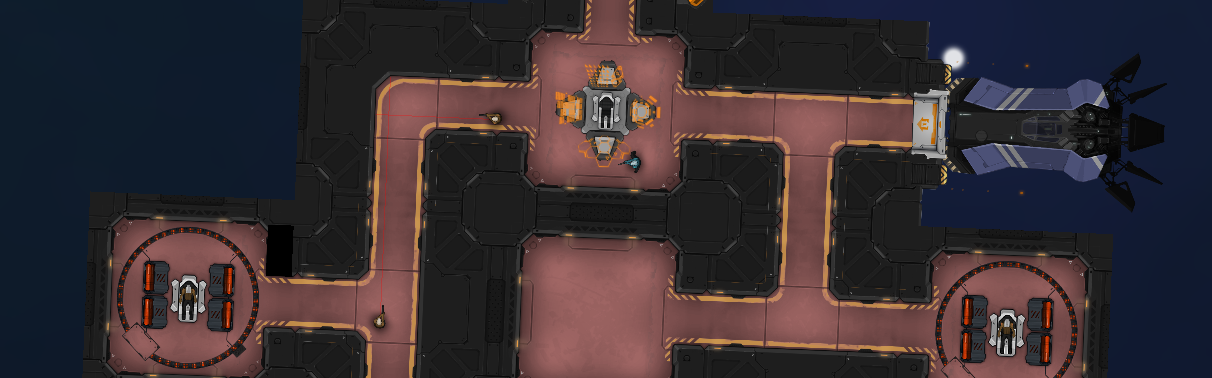
I have long known that ‘Finite State Machines’ are a thing I should be using, but when I try to read up on them, the explanations are either hopelessly vague or incredibly specific to a language and situation I don’t understand.
I whined to Mike Cook about this, and he said something to the effect of, “When you read up about Finite State Machines, it sounds like they’re this one specific agreed-upon thing, but every time you talk to an actual programmer about them you’ll get a different version of what they are.”
But! I am determined to try them in Heat Signature, and I have just reached that point where there’s enough AI an animation stuff going on that I need some kind of system to manage it. So I’m going to explain how I plan to use one, and if you’re a programmer, perhaps you can warn me of any problems I’m making for myself.
If you’re not, or if you’re learning, maybe you’ll get something out of how hopelessly I’ve failed at this so far. Continued
Showing Heat Signature At Fantastic Arcade And EGX
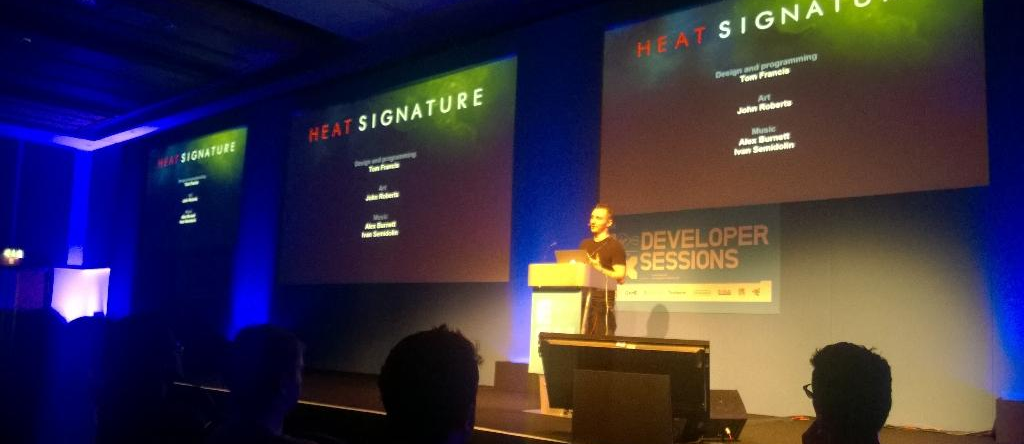
I’ve been away the last two weeks, showing Heat Signature first at Fantastic Arcade in Austin, then at EGX in London. I’ll show you what that all looked like below, but first I’ll embed my EGX talk so you can play that and look at the photos during the boring bits. From about 5 minutes in, you can see Heat Signature with some of the new art and music. Continued
Introducing The Heat Signature Team
Last month I made a new video of my ugly prototype for Heat Signature and put out an open call for artists and composers who might wanna work on it. When I did the same thing for my first game Gunpoint, around 30 artists and 40 composers applied. For Heat Signature, 81 artists and 232 composers applied. This was extraordinary and flattering, then daunting, then impossible, then exciting once I finally had my decision, then absolutely horrible when I had to tell everyone I hadn’t picked. You don’t really know how many ‘313 people’ is until you have to say no to 310 of them.
My deep, deep thanks to the amazingly talented people who applied, it meant a huge amount to me that people of your calibre were interested in my thing.
Here’s who I picked: Continued