TOM FRANCIS
REGRETS THIS ALREADY
Hello! I'm Tom. I'm a game designer, writer, and programmer on Gunpoint, Heat Signature, and Tactical Breach Wizards. Here's some more info on all the games I've worked on, here are the videos I make on YouTube, and here are two short stories I wrote for the Machine of Death collections.



Search
Aaron Sorkin’s Next Show
Aaron Sorkin is the guy who wrote A Few Good Men, The West Wing seasons 1-4, Studio 60 on the Sunset Strip, and The Social Network.
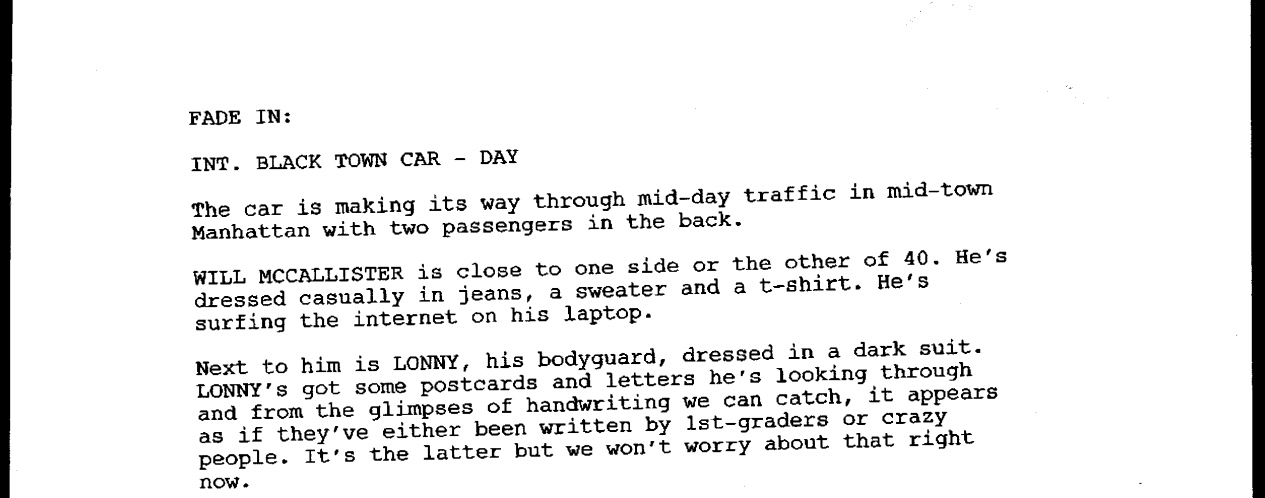
Graham: I’m reading the pilot script for Sorkin’s new show. I will send it to you, but as a preview, simply close your eyes and imagine that Aaron Sorkin was writing a TV show. Bingo! You now have all the contents of this script in your head.
Me: Wow, awesome. What’s it about? Before I read your response, I’m going to write a synopsis of what I think it’ll be like.
- The show has no main character but primarily revolves around two male professionals who are each exceptionally talented at their slightly different jobs, but slightly under-appreciated.
- One of them is in a problematic relationship with a strongly opinionated female character whose job brings them into contact and potentially conflict.
- Another conflict revolves around someone in a position of power imposing a different mindset or agenda on one or all of the main characters, hindering their ability to do their job the ‘right’ way.
- The pilot features one of the main characters in some kind of exceptional personal or professional crisis, one he cannot hide from the world, and the other characters give him stronger support than he expects or feels he deserves.
- At least once two people conduct a conversation by each elaborating on their own concerns without ever listening to the other person.
- One of them argues strongly for the ‘right’ way against his superiors, accepts his fate, then must argue the opposite side when relaying the news to the other characters.
- At the end of the episode, the fortunes of the character in crisis have changed and the formula for the rest of the series is established.
Graham: Paragraphs 2, 3 and 4 are spot on. 5 doesn’t quite happen, but not far from it, 6 doesn’t happen but will in future episodes, 7 probably does happen but I haven’t finished reading it yet.
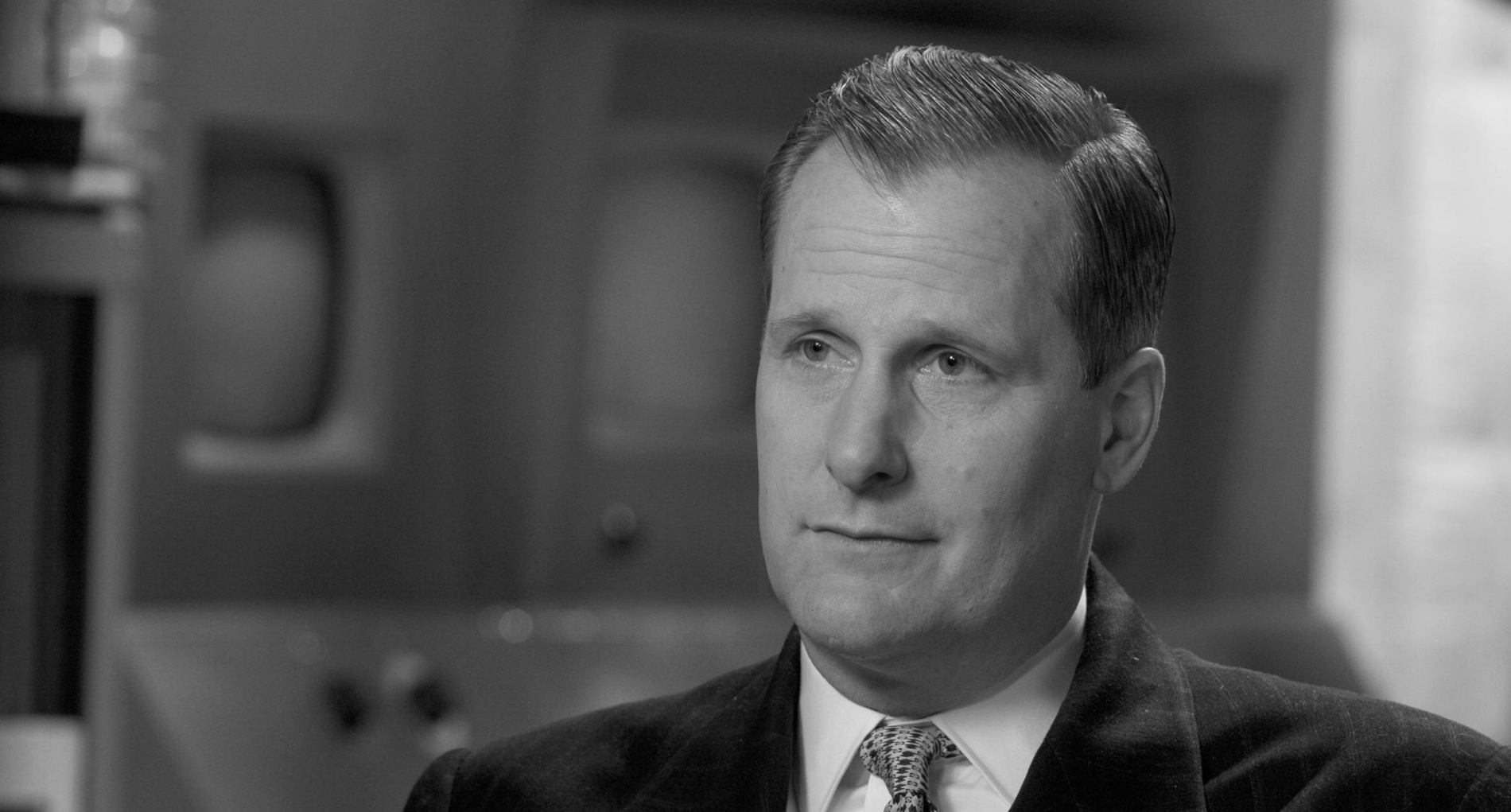
It’s called “More As The Story Develops”. It’s set behind the scenes at a cable news program. It’s partially inspired by Keith Olbermann. It stars Jeff Daniels as the brilliant but kind of assholish news pundit. The show-within-the-show is on a fictional network called UBS, which is the network from Network (and the network Studio 60 was on, until NBC picked up the pilot and changed the name to NBS).
Events happen, Jeff Daniels ends up in crisis – has been in crisis – and the person who comes to help him turns out to be a brilliant woman with whom he had a romantic relationship.
It also stars a mixture of Dana from Sports Night and Jordan from Studio 60, Isaac from Sports Night, Natalie from Sports Night. Not the actors, just those characters. Also there’s a young guy who is kind of a cross between Jeremy from Sports Night and Sam from The West Wing.
But it’s on HBO, so sometimes people say “fuck”. That’s new.
Me, writing a blog post after reading the script: Yeah. It’s so unmistakably Sorkin, you almost wonder if it’s not Sorkin but a Sorkin stalker who’s devoted his life to perfectly mimicking every trope and character Sorkin has ever written.
Early on, I was thinking, “I know why this is funny, I know why it’s engaging me, I recognise all the Sorkin tricks and understand why they work.” It’s a rhythmic and always slightly absurd interplay between smart characters who are smart in different ways, and angry, exasperated or cynical about those differences. He can repeat that formula as much as he likes, I’m never going to stop enjoying it. These are my buttons, he has found them.
Towards the end, though, it becomes more than the offspring of Sports Night and Studio 60. As step 7. kicks in and starts to resolve step 4., Sorkin adds some basic stage directions about what the score should be doing. I’m not hearing the score, he doesn’t tell me what it would sound like, he just says what kind of mood it should reflect. And each time, it’s a perfect description of the mood I’m already starting to feel from the script.
Without even being played, the score is somehow reinforcing and boosting that escalating sense of excitement, and by the absolute climax of the action – which is an ordinary goddamn news report – I am tingling. It’s the emotional high of seeing characters you care about overcome obstacles to do important and difficult work incredibly well.
Unlike the smaller Sorkinisms, I know what’s happening but I don’t know how he’s doing it. As long as he can keep doing it, More Story is going to be great.
More Newsroom